THE JOY OF OWNING
A JAPANESE SWORD

THE JOY OF OWNING A JAPANESE SWORD

The Significance of Owning a Japanese Sword

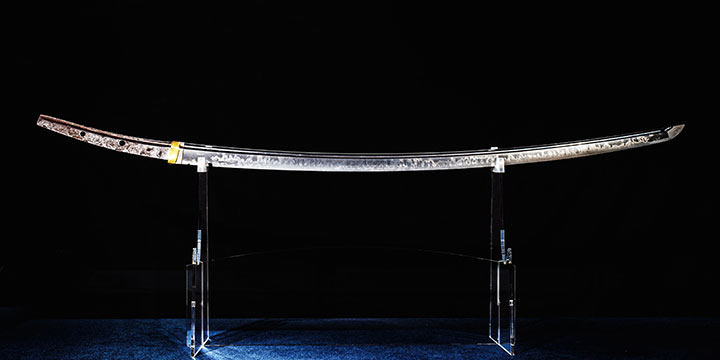
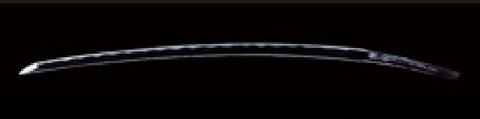
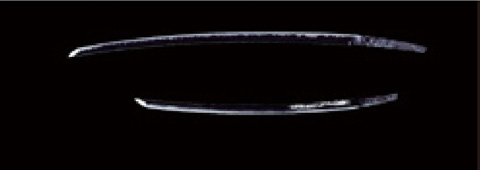
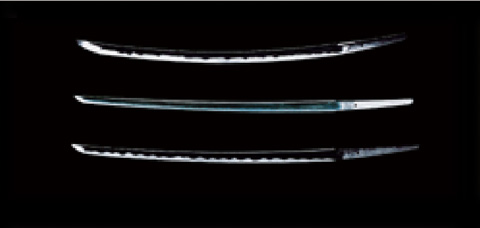
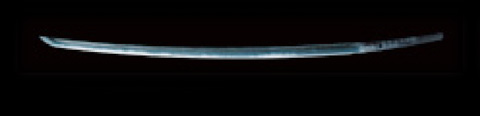
A Japanese sword is a unique symbol of Japan’s traditional culture, history, and spiritual heritage. Owning one allows you to experience the spirit of Bushido, the extraordinary craftsmanship of swordsmiths, and the aesthetic beauty of a sword. Since ancient times, Japanese swords have been considered sacred gifts from the gods, revered as symbols of protection against evil. They were often given as amulets to protect the owner, inspire strength, or mark special milestones or as gifts to loved ones. Owning a Japanese sword is more than mere possession—it is a luxurious journey into Japan’s rich culture and history.

What Owners Come to Discover

Antique or Vintage Sword

The stories the sword whispers and the weight of history felt in your hands.

Modern Sword

The culmination of traditional craftsmanship honed and perfected over generations.
The sword’s beauty captivates the beholder, and its divine essence, cherished since ancient times, quietly fulfills the heart. Owning a Japanese sword offers more than joy—it is the beginning of a journey to experience the essence of Japanese spiritual culture and refine oneself.

TYPES OF JAPANESE SWORDS

Japanese swords come in various types, each with distinct purposes and ways of purchase. Below is a summary of the main types and their features:
Antique Swords (Koto)

  • Purpose: Primarily for appreciation as antique art.
  • Era: Late Heian Period (􀀕800 AD) to
    the Muromachi Period (1596).
  • Where to Buy: Sword dealers or antique shops.

Vintage Swords (Shinto)

  • •Purpose: Primarily for appreciation as antique art.
  • Era: Keicho Era (1 596) to the mid-Edo Period (-1764). 
  • Where to Buy: Sword dealers or antique shops.

Late Vintage Swords (Shinshinto)

  • •Purpose: Primarily for appreciation as antique art.
  • Era: Late Edo Period (l 764-) to early Meiji Period (until the 1876 sword ban). 
  • Where to Buy: Sword dealers or antique shops.

Modern Swords (Gendai面)

  • •Purpose: Primarily for appreciation as modern art.
  • Era: From the Meiji Period (1868) to the present.
  • Where to Buy: Sword dealers or direct orders from swordsmiths.

Practice Swords (Iaito)

  •  Purpose: For martial arts practice (e.g., Iaido) or tameshigiri (test cutting, such as cutting straw mats). 
  • Era: Modern swords made after the Meiji Period. 
  • Where to Buy: Sword dealers or direct orders from swordsmiths.

HOW TO PURCHASE A JAPANESE SWORD

Buying a Newly Made Sword Directly from a Swordsmith

    • Ownership Transfer Procedures: When purchasing a newly made sword, ownership is transferred from the swordsmith to the buyer, requiring submission of an ownership transfer application. 
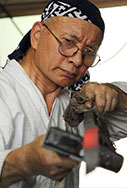
    • Custom Orders: You can commission a sword tailored to your preferences, specifying its shape and hamon (temper line) to create a one-of-a-kind masterpiece.
    • Exhibition Opportunities: At the “Newly Made Sword Exhibition” (Shinsakuto Tenrankai), hosted by the Society for the Preservation of Japanese Art Swords (Nihon Bijutsu Token Hozon Kyokai), you can view works by various swordsmiths and find one that matches your taste. 

Restrictions Under Japan's Firearms and Swords Control Law

  • Production Period Regulations:
    Blades over 60 cm: Minimum 15 days to produce.
    Blades under 60 cm: Minimum 10 days to produce. 
  • Reason for Restrictions:
    To preserve Japanese cu lture and prevent mass production that could lower prices, the number of swords a smith can make annually is limited.

Price Range When Buying Directly from a Swordsmith

  •  Factors Affecting Price:
    *Swordsmith’s reputation and competition history.
    *Production time (1 5 or 10 days).
    *Material and outsourcing costs. 
  • Price Range: Generally starting from 1 million JPY, but in some cases, it can exceed 10 million JPY. The price varies depending on the style and size of the sword, but commissioning a swordsmith to create a custom blade is a highly valuable experience. 

Buying from Sword Dealers or Antique Shops

  •  Wide Selection: Swords from the Heian Period to the present are available to suit your preferences and budget.
  • Factors Affecting Price: Prices for older swords vary based on the following factors:
    Reputation of the maker or school.
    Craftsmanship, preservation, and h istorical provenance. 
  •  Appreciating Historical Features: Each era’s swords have unique characteristics, with some bearing the signatures of famous swordsmiths or links to historical figures. Even unsigned swords may reveal their era through their design, offering a tangible connection to history.
  • Trustworthy Sellers: Given the high cost of swords, it is crucial to purchase from reputable dealers or antique shops. 

FINDING THE PERFECT JAPANESE SWORD FOR YOU

Elements of Design

The style of a Japanese sword is defined by the following key elements:
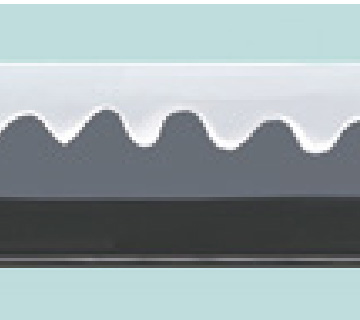
Hamon (Blade Pattern): The intricate patterns on the blade’s edge reflect the swordsmith’s skill and aesthetic sense.

  • Suguha (Straight Pattern): Simple and straight, popular from the Heian to Kamakura periods.
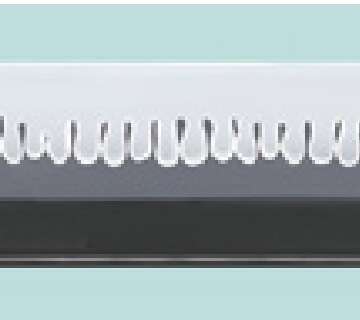
  • Gonome (Clover Pattern): Semi-circular patterns, widely used since the Kamakura period.
  • Chojiba (Clove Pattern): Resembling cloves, often seen in Bizen-style swords.
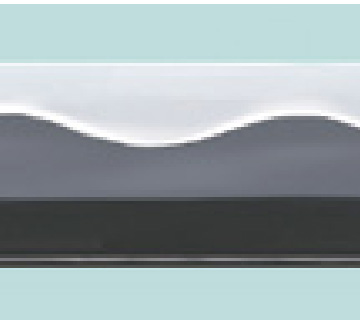
  • Notare(Wavy Pattern): Graceful, flowing waves.
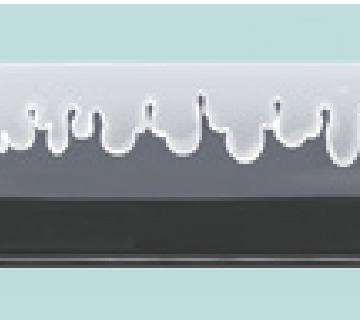
  • Jiika Choji (Clustered Clove Pattern): Overlapping dove shapes with a vibrant, blooming design.
Suguha
Gonome
Chojiba
Juka Choji
Notare

Jihada (Steel Surface Patterns): Patterns on the blade surface created during the forging process.

  • Itame(Wood Grain): Resembling wood grain.
  • Masame (Straight Grain): Vertical, orderly grain. 
  • Mokume (Knotty Grain): Like wood knots.
  • Ayasugi (Cedar Grain): Regular, diagonal stripes resembling cedar wood grain.
Itame
Masame
Mokume
Ayasugi

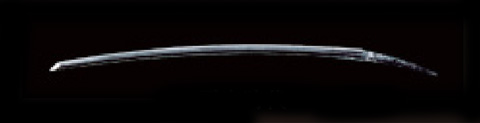
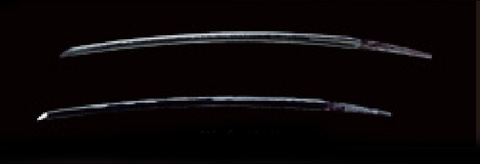
Sword Shape (Katachi): This refers to the overall shape and balance of the sword.

  • Curvature (Sori)
    The degree of curvature influences the sword’s style. Swords from the Kamakura period often have a pronounced curve, while those from the Edo period tend to have a more subtle curve. 
  • Blade Width and Thickness (Habahaba to Kasane)
    The width and thickness of the blade are important factors. Swords intended for combat are typically wider and convey a sense of power. 
  • Tip Shape (Kissaki)
    The shape of the sword’s tip varies depending on the era and region.
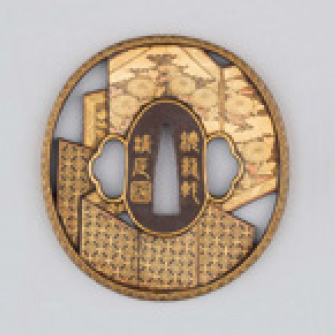
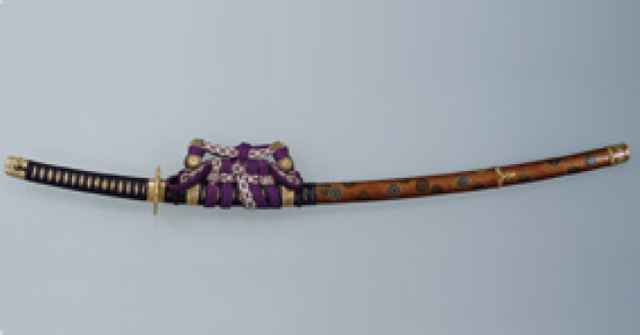
Tsuba and Koshirae:
The tsuba (guard), tsuka (handle), and saya (scabbard) are decorative elements that support the sword. These parts reflect the artisan’s aesthetic sense and enhance the overall design of the Japanese sword.
Tuba
Koshirahe

Styles Across Historical Periods

Heian and Kamakura Periods (Kotoki)

  • Hamon: Straight hamon (suguha) was predominant, featuring a subdued and elegant style. 
  • Shape: Swords were slender with pronounced curvature. 
  • Jihada: ltame-hada was common, resulting in a refined finish.

Nanbokucho Period

  • Hamon: Larger, more flamboyant patterns emerged, adding a sense of grandeur. 
  •  Shape: Longer and more robust blades were common, showcasing an imposing style.

Muromachi Period

  • Hamon: Midareba (irregular patterns) and gunome were frequently seen. 
  •  Shape: Blades were wider and sturdier, designed for the demands of
    the Sengoku period’s warfare.

Edo Period (Shintoki/Shinshintoki)

  • Hamon: Patterns such as undulating notare and choji-midare were prevalent. 
  • Shape: More emphasis was placed on aesthetics than practicality, resulting in sophisticated designs. 
  • Jihada: Intricate patterns became more prominent.

Modern Era (Gendaito)

  • •Hamon: Midareba (irregular patterns) and gunome were frequently seen. 
  •  Shape: Blades were wider and sturdier, designed for the demands of
    the Sengoku period’s warfare.
Heian Period
Kamakura Period
Nanbokucho Period
Muromachi Period Period
Edo Period
Modern Period

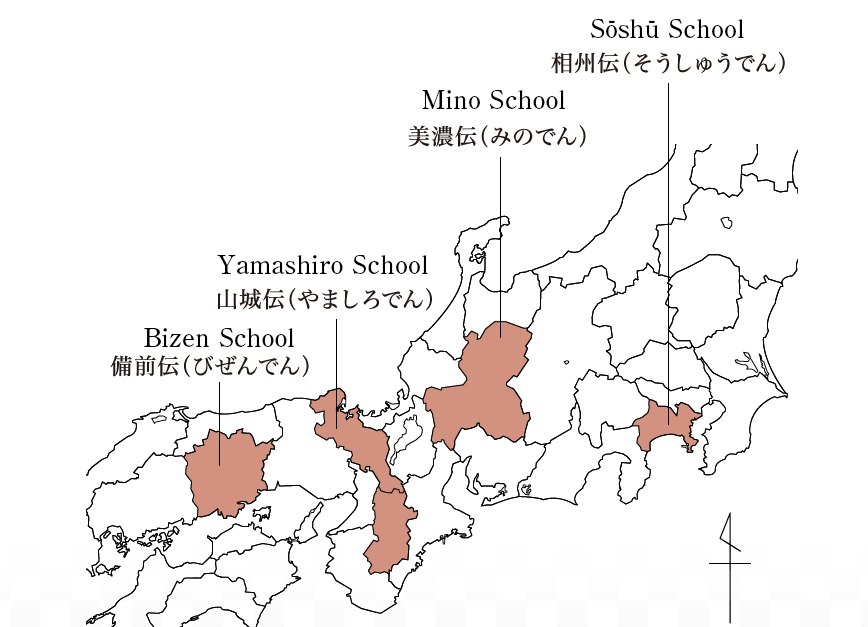
The Five Traditional Schools and Their Styles

The styles ofJapanese swords vary by region and school of craftsmanship.

  • Yamashiro School(Yamashiro-den)
    Originated in Kyoto.
    Hamon: Predominantly straight patterns (suguha).
    Style: Elegant and dignified blades. 
  • Yamato School (Yamato-den)
    Originated in Yamato Province (modern-day Nara Prefecture).
    Hamon: Primarily straight patterns, with understated and practical designs.
    Style: Known for robust construction, emphasizing strength and durability, ideal for combat. 
  •  Bizen School (Bizen-den)
    Originated in Bizen Province (modern-day Okayama Prefecture).
    Hamon: Features dove-shaped patterns (choji-midare) and undulating patterns (notare). Style: Combines beauty and practicality. 
  • Soshu School (Soshu-den)
    Developed in Sagami Province (modern-day Kanagawa Prefecture).
    Hamon: Bold and flamboyant patterns (6-midare).
    Style: Powerful and imposing designs. 
  • Mino School (Mino-den)
    Originated in Mino Province (modern-day Gifu Prefecture).
    Hamon: Characterized by wavy gunome patterns.
    Style: Highly regarded for its practicality in combat.

ORDERING A CUSTOM JAPANESE SWORD

There are two main ways to acquire a Japanese sword: ordering a custom-made blade or selecting one that has already been completed. Here are some tips for ordering:

Create Your Own Custom-Made Japanese Sword

If you have a favorite style or design in mind, consider commissioning a custom-made sword from a swordsmith whose work you admire. By clearly communicating your preferences for the blade’s hamon (temper line) and shape, you can own a truly unique and personal piece.

Choosing a Sword by Inspiration

Alternatively, you can choose from swords that the swordsmith has previously crafted.As the saying goes, “You know a good sword the moment you hold it.” Viewing and holding the sword in person may inspire a special connection. The moments of emotional resonance or inspiration you feel through the sword can provide a value beyond mere ownership.

HOW TO FIND YOUR IDEAL JAPANESE SWORD
THROUGH DEALERS AND ANTIQUE SHOPS

Alternatively, you can choose from swords that the swordsmith has previously crafted.As the saying goes, “You know a good sword the moment you hold it.” Viewing and holding the sword in person may inspire a special connection. The moments of emotional resonance or inspiration you feel through the sword can provide a value beyond mere ownership.

1. Communicate Your Preferences

2. Consult Trustworthy Dealers

3. Examine the Sword in Person

Share your preferences and requests with sword dealers or antique shops, and ask them to help you find the right sword. Providing specific details, such as your preferred hamon design, era, or school, will make the process smoother. When you find a sword you like, consult with reputable sword dealers or antique shops. Expert advice can guide you in selecting the ideal piece. Viewing and handling the sword in person is essential. Experiencing the blade’s beauty and craftsmanship directly allows you to fully enjoy the process of finding a sword that suits you.

CARING FOR YOUR JAPANESE SWORD
THE IMPORTANCE OF SWORD MAINTENANCE

Japanese swords are delicate metal creations, often regarded as living entities. Proper maintenance, performed with care and dedication, preserves their beauty and allows you to appreciate their brilliance. Additionally, the process of maintaining your sword can offer a meditative and rewarding experience.
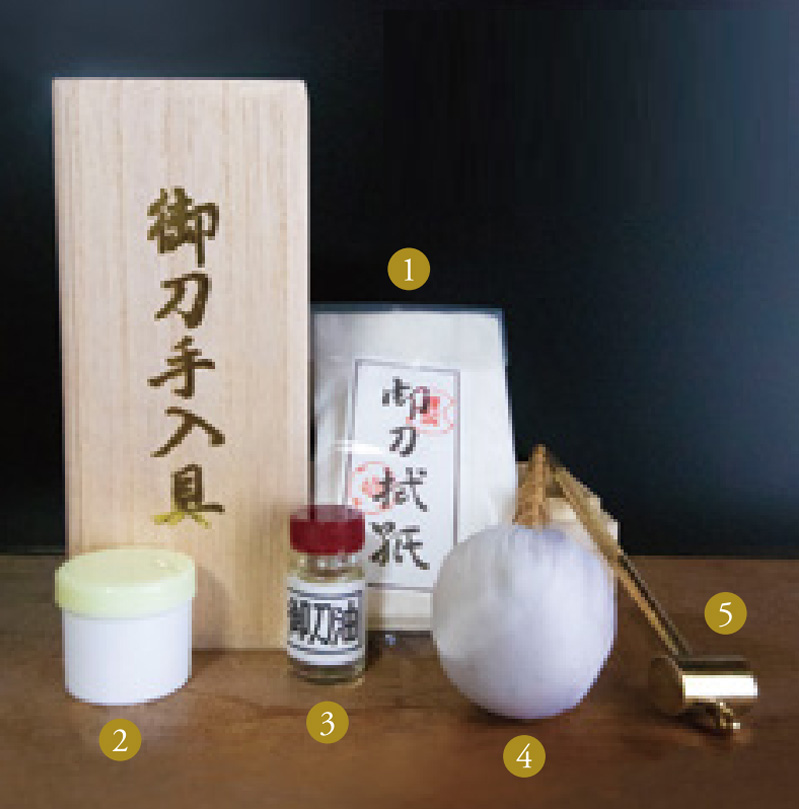
Tools Needed for Sword Maintenance

1 Wiping Paper (Fukigami)

Prepare two types: one for oil and one for uchiko powder. High-quality housho paper is ideal and should be softened beforehand. If using alternatives like flannel doth or tissue, wash and dry them before use.

2 Uchiko (Powder)

A fine stone powder used to remove old oil and dirt from the blade.

3 Sword Oil (Choji Oil)

Protects the blade from rust.
Plant-based oils (e.g., camellia oil): Absorb moisture easily; suitable for short-term use. Mineral-based oils (e.g., liquid paraffin): Resistant to deterioration; ideal for long-term storage.

4 Oil Wiping Paper (Aburagami)

Used to apply oil to the blade.

5 Mekuginuki (Peg Remover)

A specialized tool for removing the mekugi (peg) from the handle.

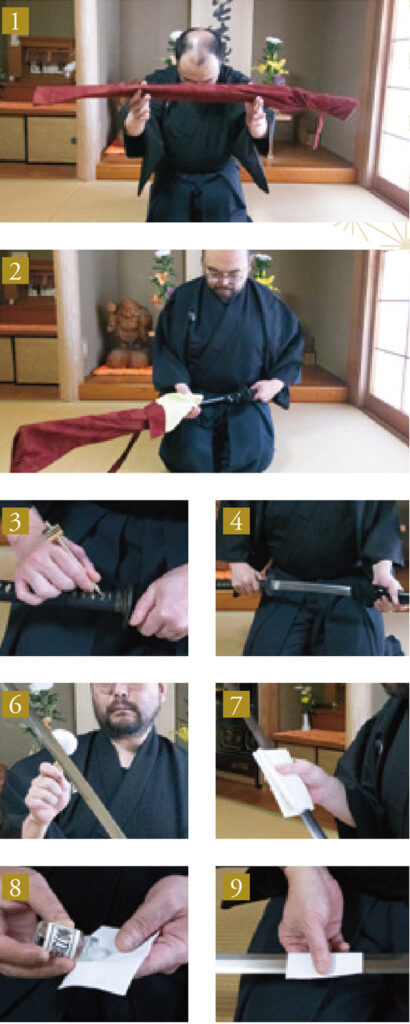
Sword Maintenance Procedure

Before You Begin

1 Bow to the Sword

  • Show respect to tbe sword with a bow before starting. 
  •  Remove any jewelry or accessories that might interfere with the process.

2 Remove the Sword from Its Bag

  •  Untie the sword bag and carefully remove the handle.
  • Rewrap the bag, leaving about one-third of the scabbard exposed, for reuse.

Cleaning the Sword

3 Remove the Peg

  • Use a mekuginuki to loosen and remove the peg. Store it carefully to avoid loss.

4 Draw the Blade from the Scabbard

  • Hold the blade edge-up and catefully drawit out, ensuring you follow tlie spine of the blade.

5 Wipe Off Old Oil

  • Use oil-wiping paper to dean the blade from the base to the tip.

6 Apply Uchiko Powder

  • Lightly tap the uchiko powder onto the blade to cover its surface evenly.

7 Wipe Off the Powder

  • Use wiping paper to gently remove the powder and any residue.

Applying Oil

8 ApplySword Oil

  • Use oil-wiping paper or doth to apply a thin, even layer of oil to the entire blade.

9 Care for the Tang (Nakago)

  • For New swords, apply oil to the tang. For antique swords, avoid – excessive ,cleaning to preserve the patina and texture.

Finishing Touches

10 Reattach the Habaki (Collar)

  • Press the habaki into place while securing the blade.

11 Reassemble the Handle

  • Insert the tang into the handle, tap the pommel lightly to secure it, and reinsert the peg.

Caring for the T suba and Scabbard

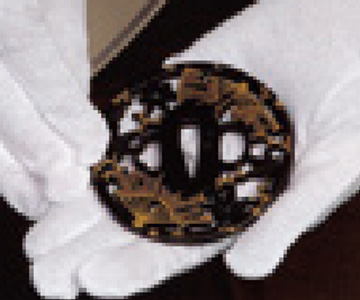
Tsuba (Handguard)

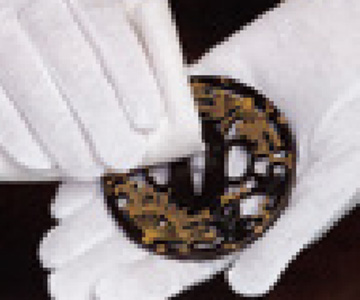
Avoid direct contact with the tsuba to prevent discoloration or rust. Use clean gloves and rotate its position in storage periodically.

Lacquered Scabbard

Wipe gently with a soft cloth or tissue to remove dust and dirt.

Points to Keep in Mind

  1. Handle the blade with care, avoiding direct contact with the edge. 
  2. Use proper tools, ensuring substitutes are of high quality. 
  3. Consult an expert if you notice rust or damage during maintenance.

Proper care not only preserves the beauty of your Japanese sword but also provides a meaningful opportunity to connect with it. By maintaining your sword regularly, you can enjoy its brilliance for years to come.

Scroll to Top